Investment management in Azerbaijan: challenges and prospects
In recent years, important steps have been taken in the Azerbaijani economy to improve the investment climate, develop the non-oil sector and increase the country's international investment attractiveness. In this process, liberalization of the business environment, introduction of digital solutions, institutional reforms and expansion of incentive mechanisms are of particular importance. However, global experience shows that the main factor determining investment attractiveness is not only the volume of investments, but also how existing investment projects are managed and implemented.
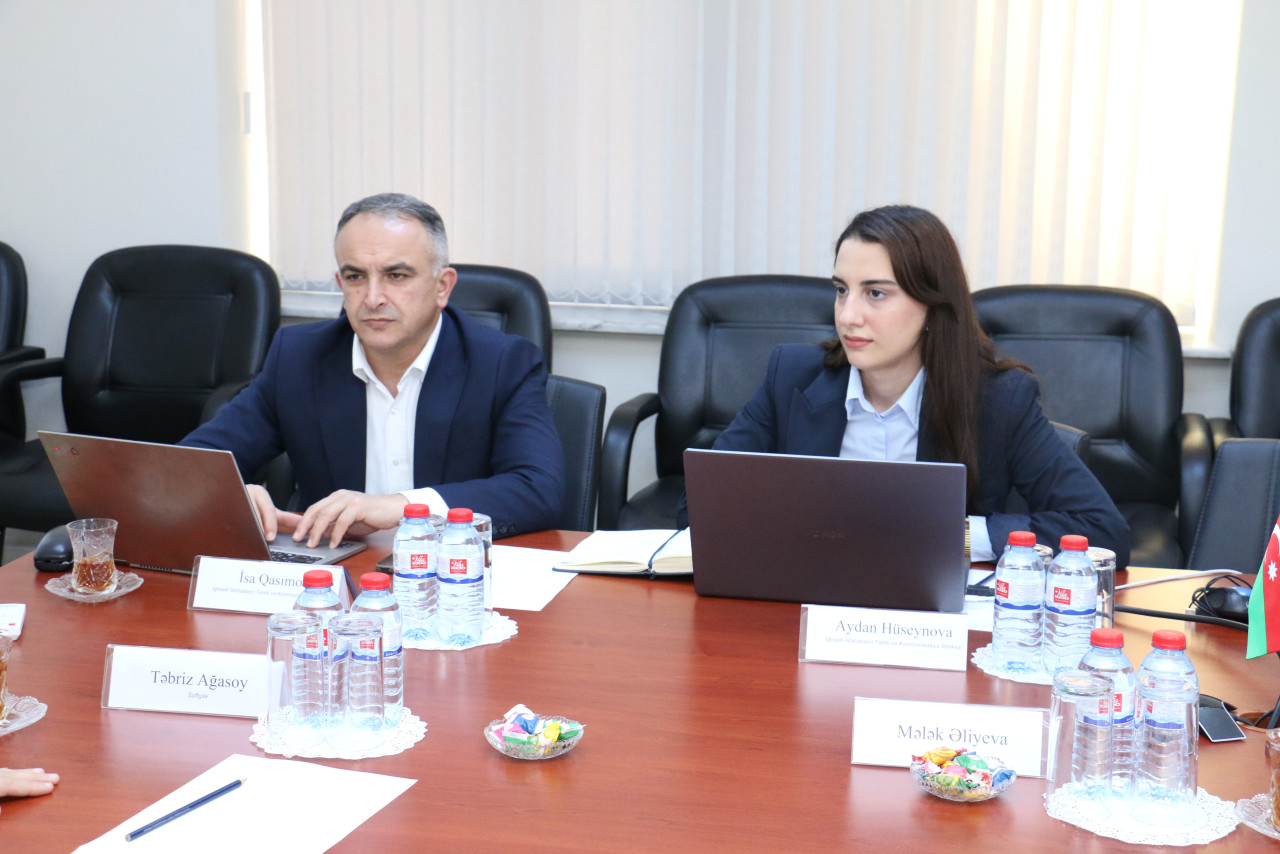
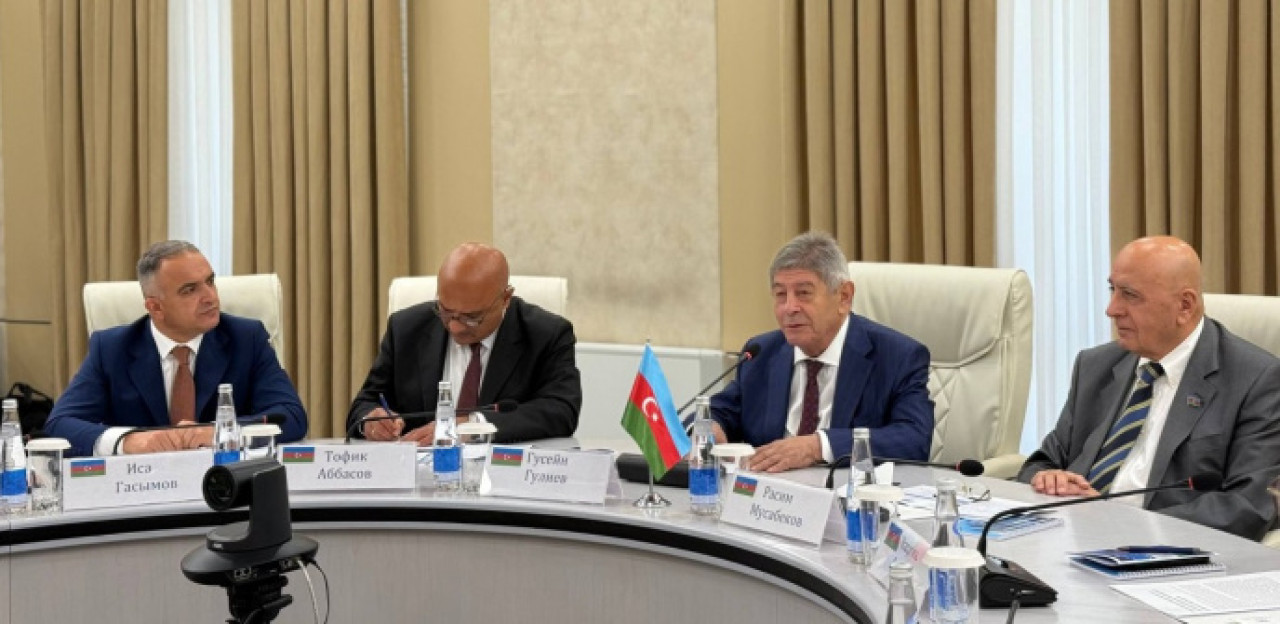
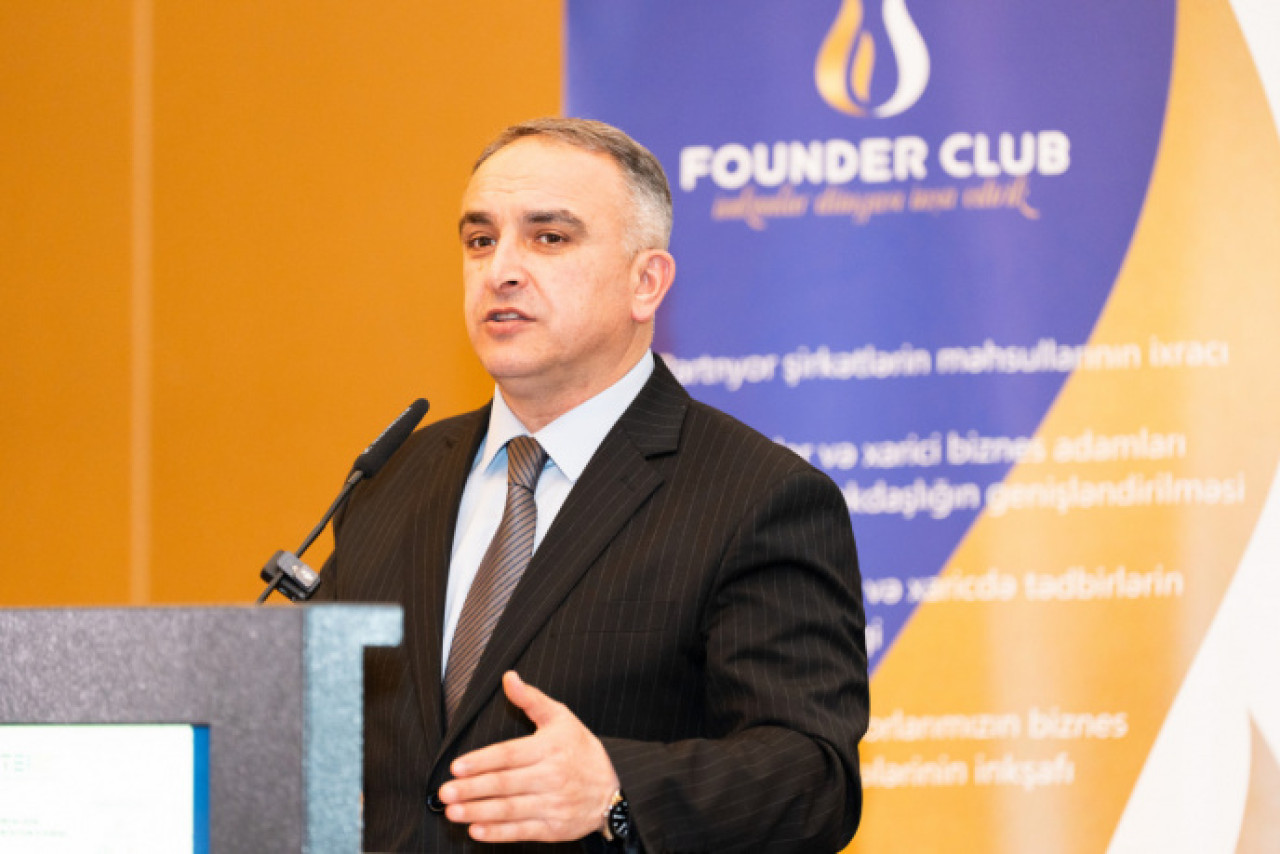
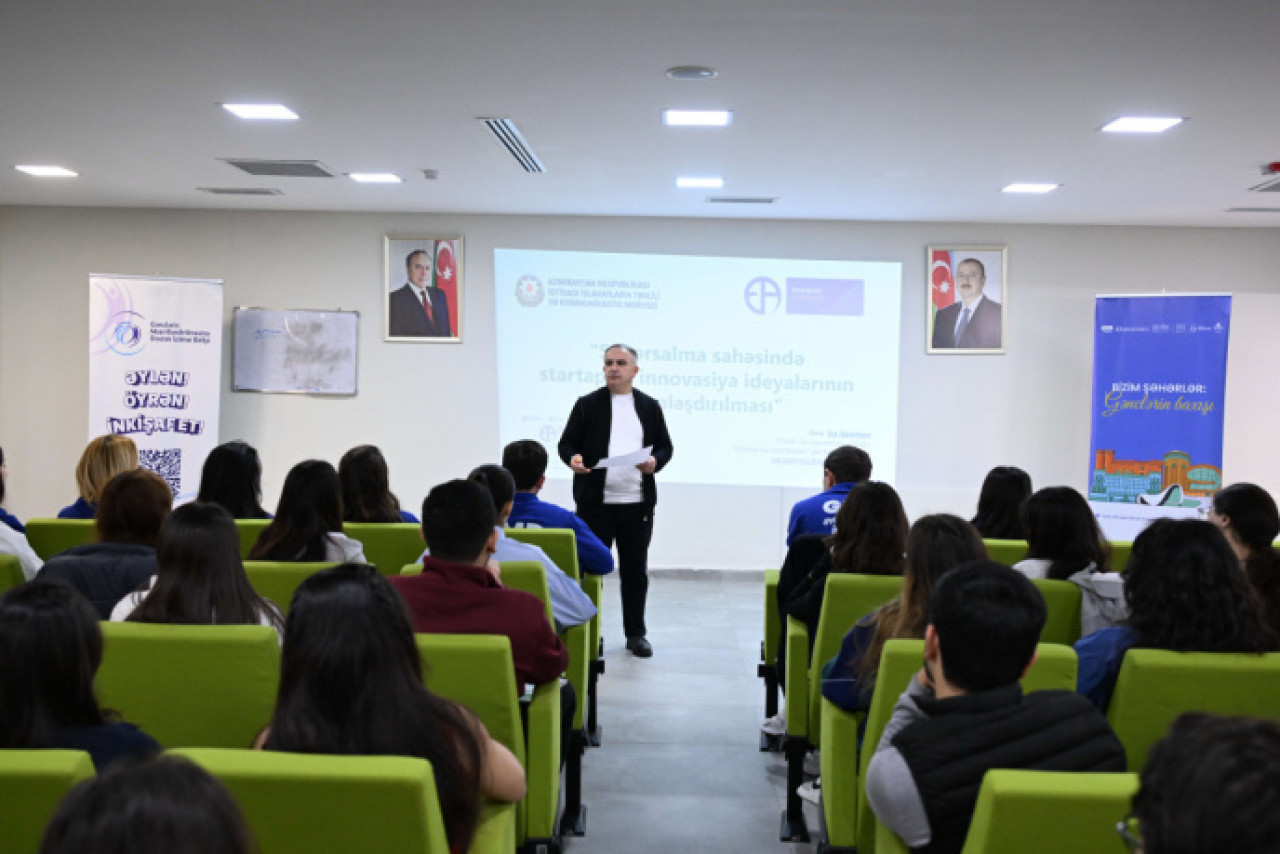
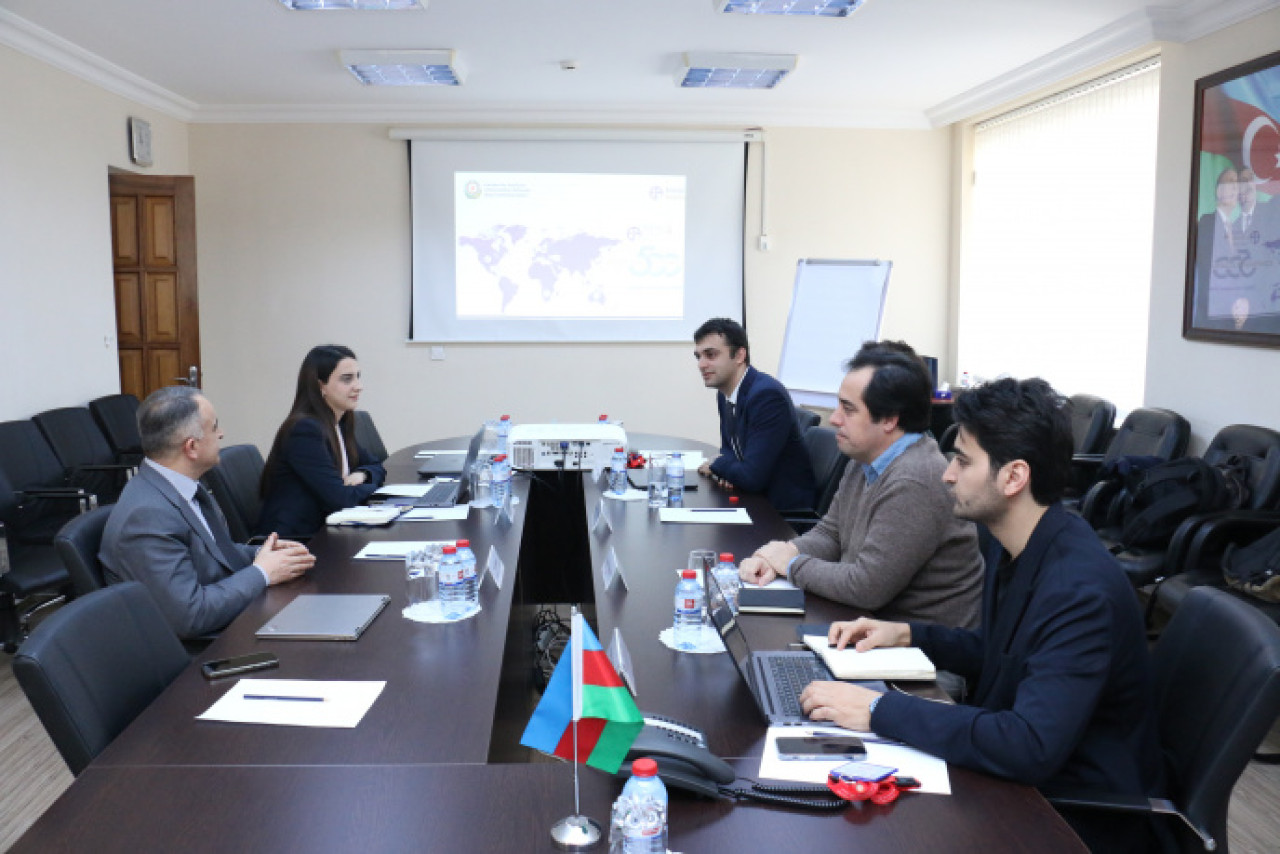
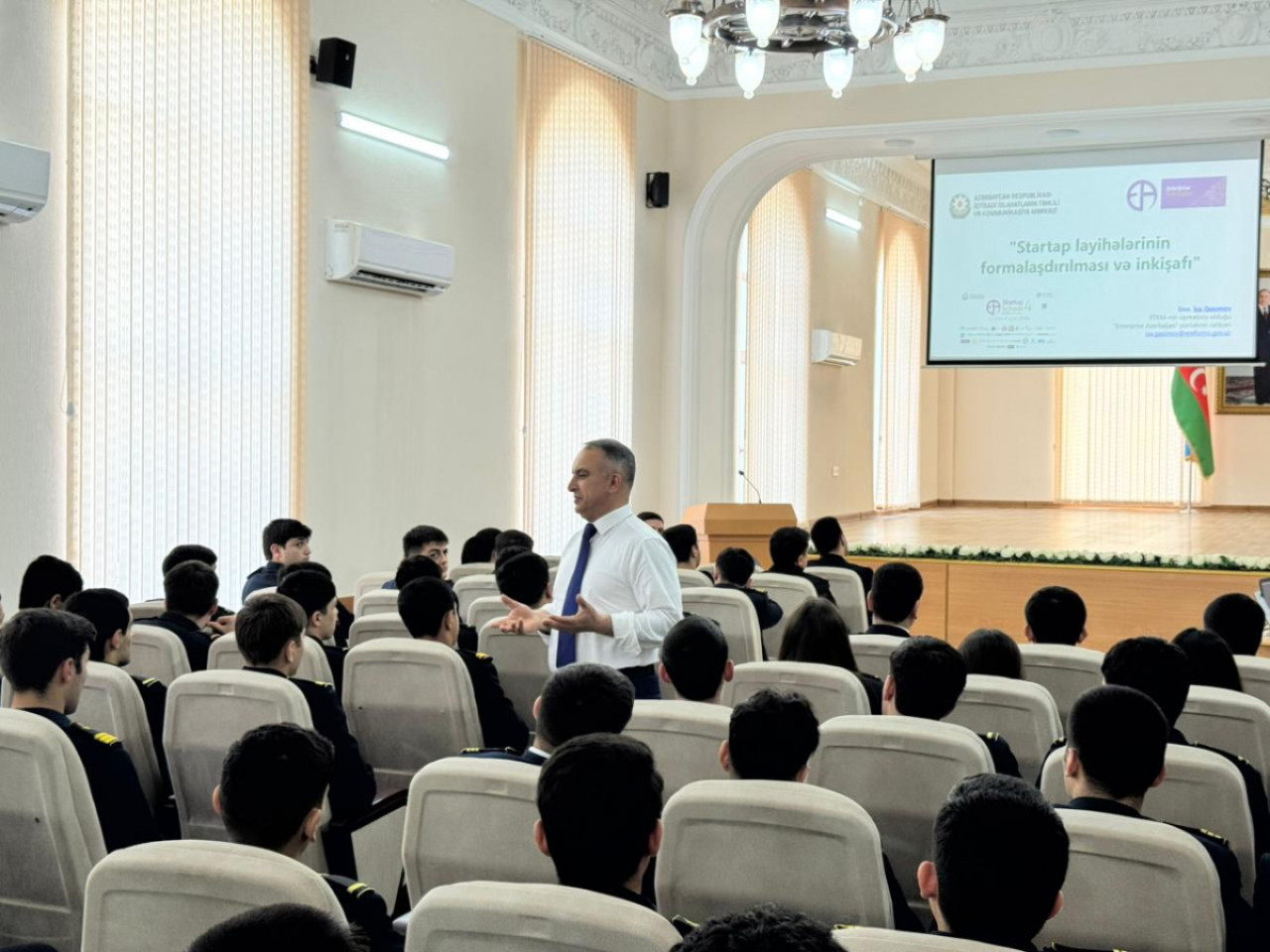
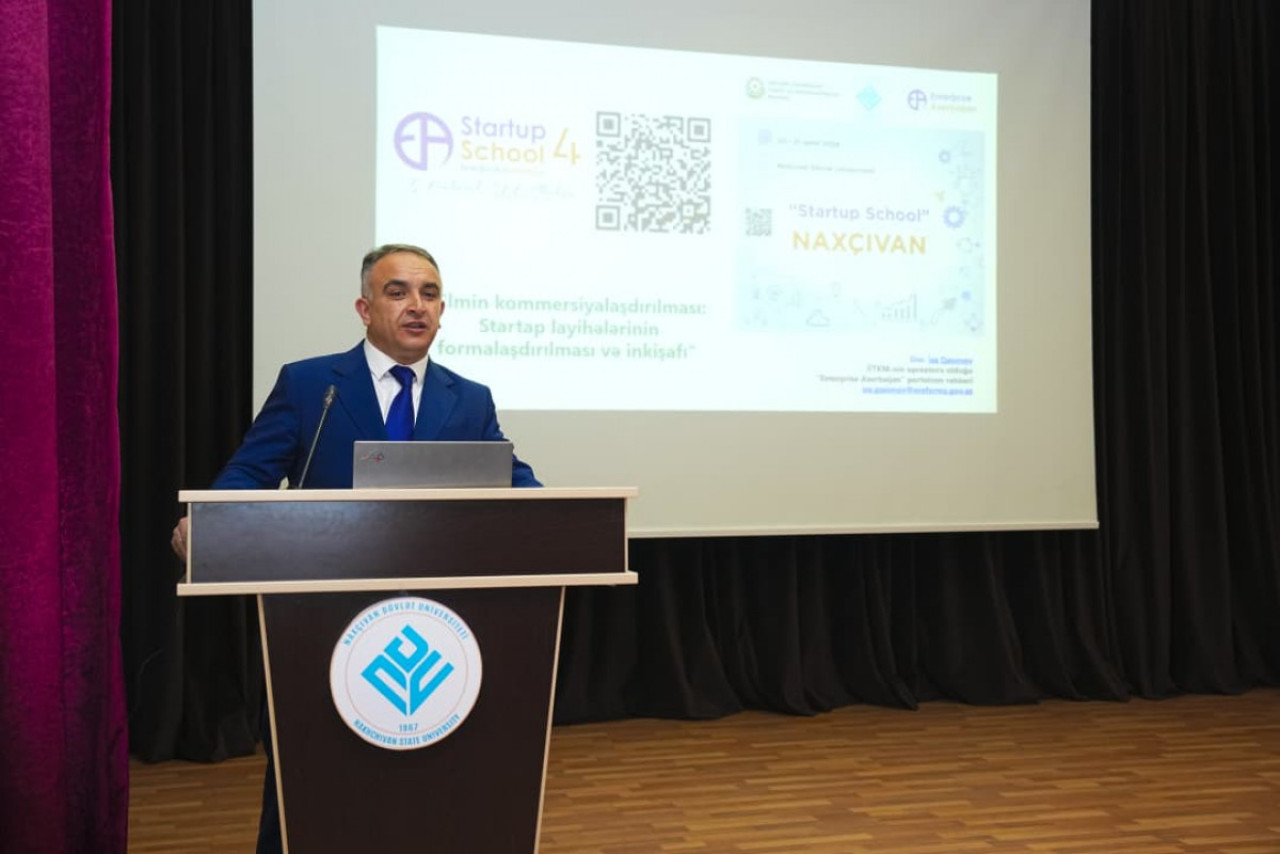
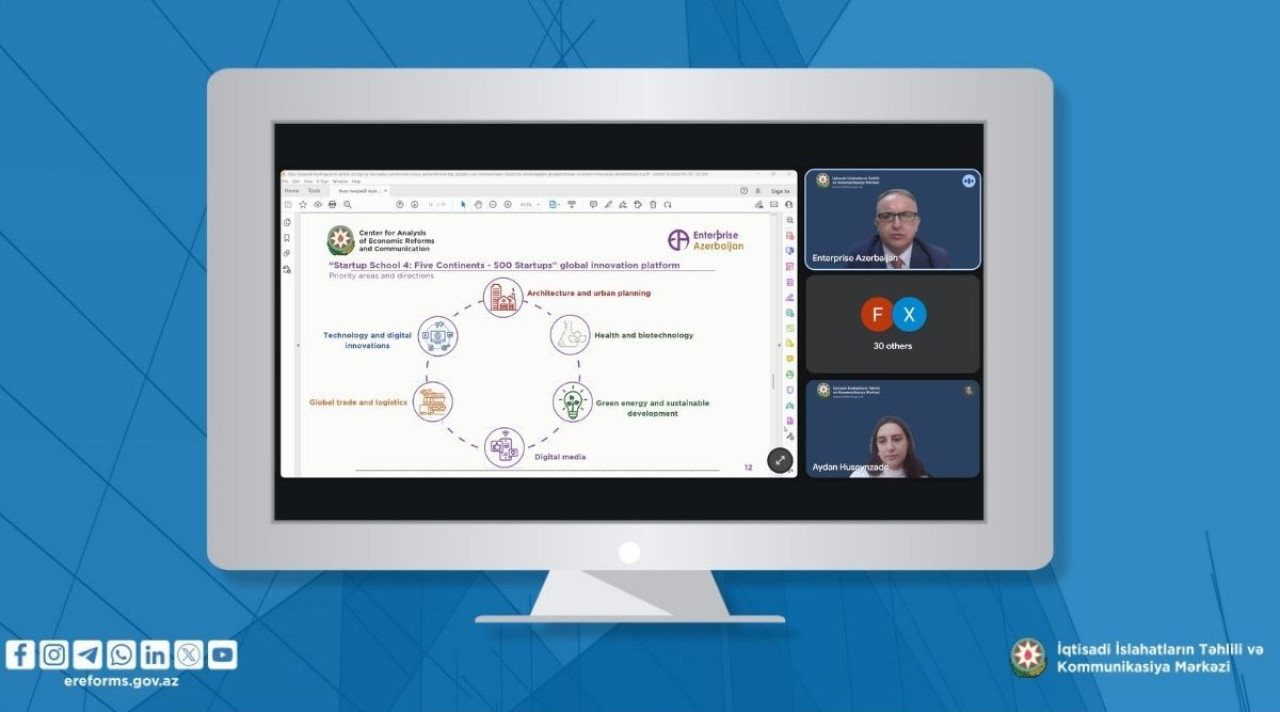
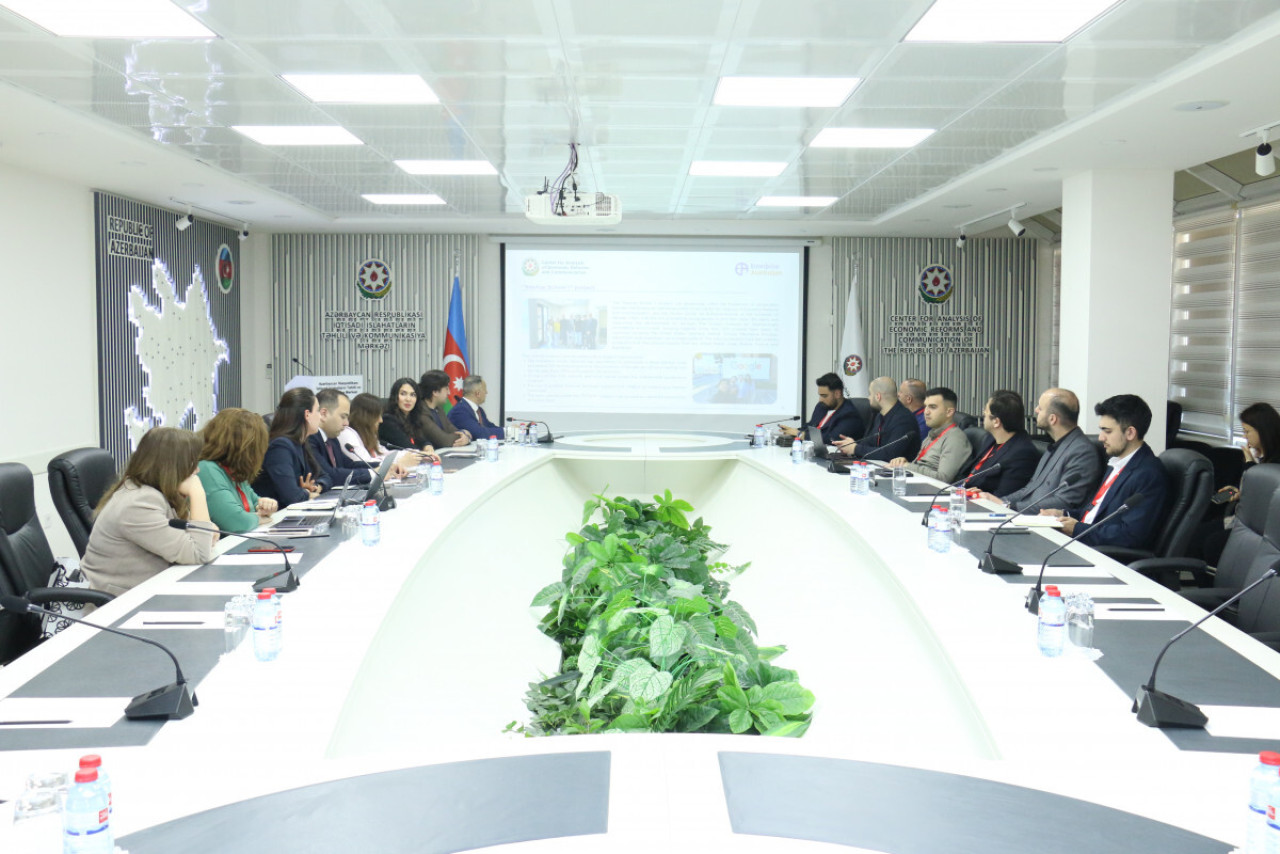
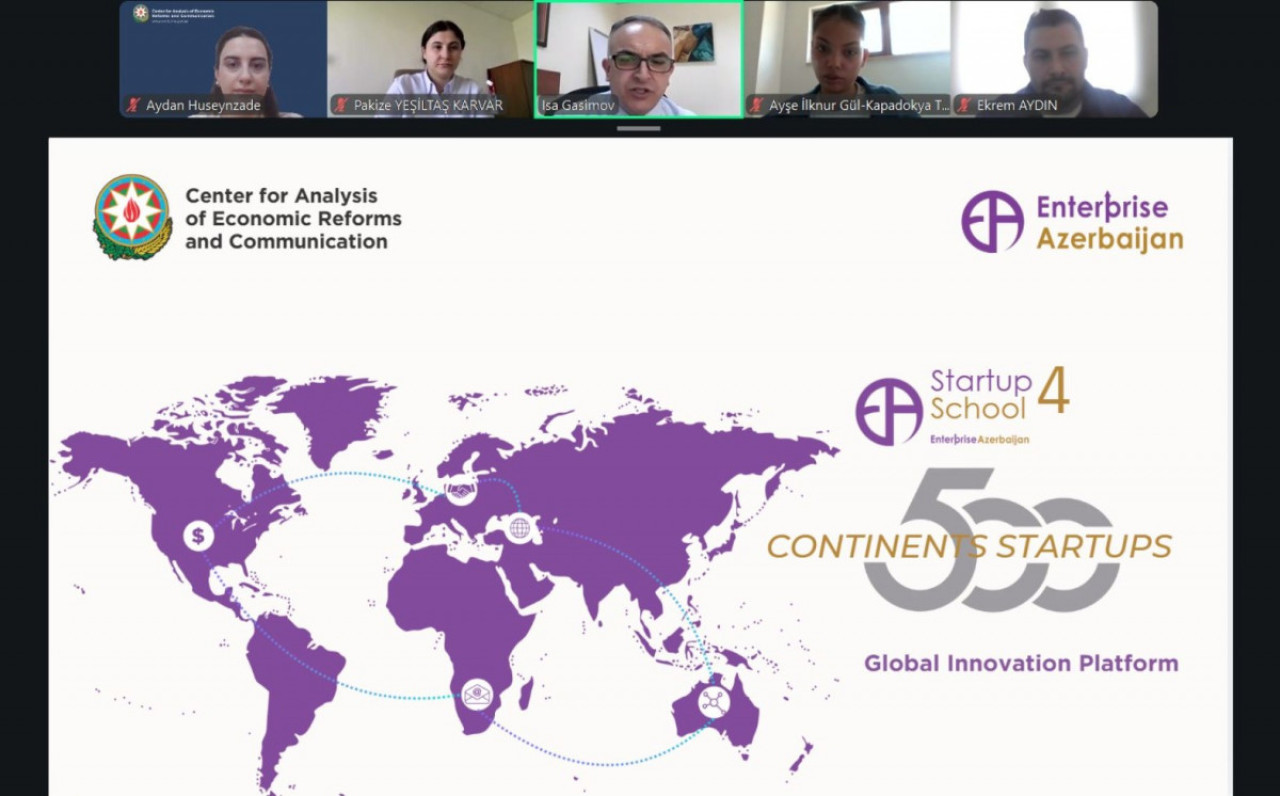
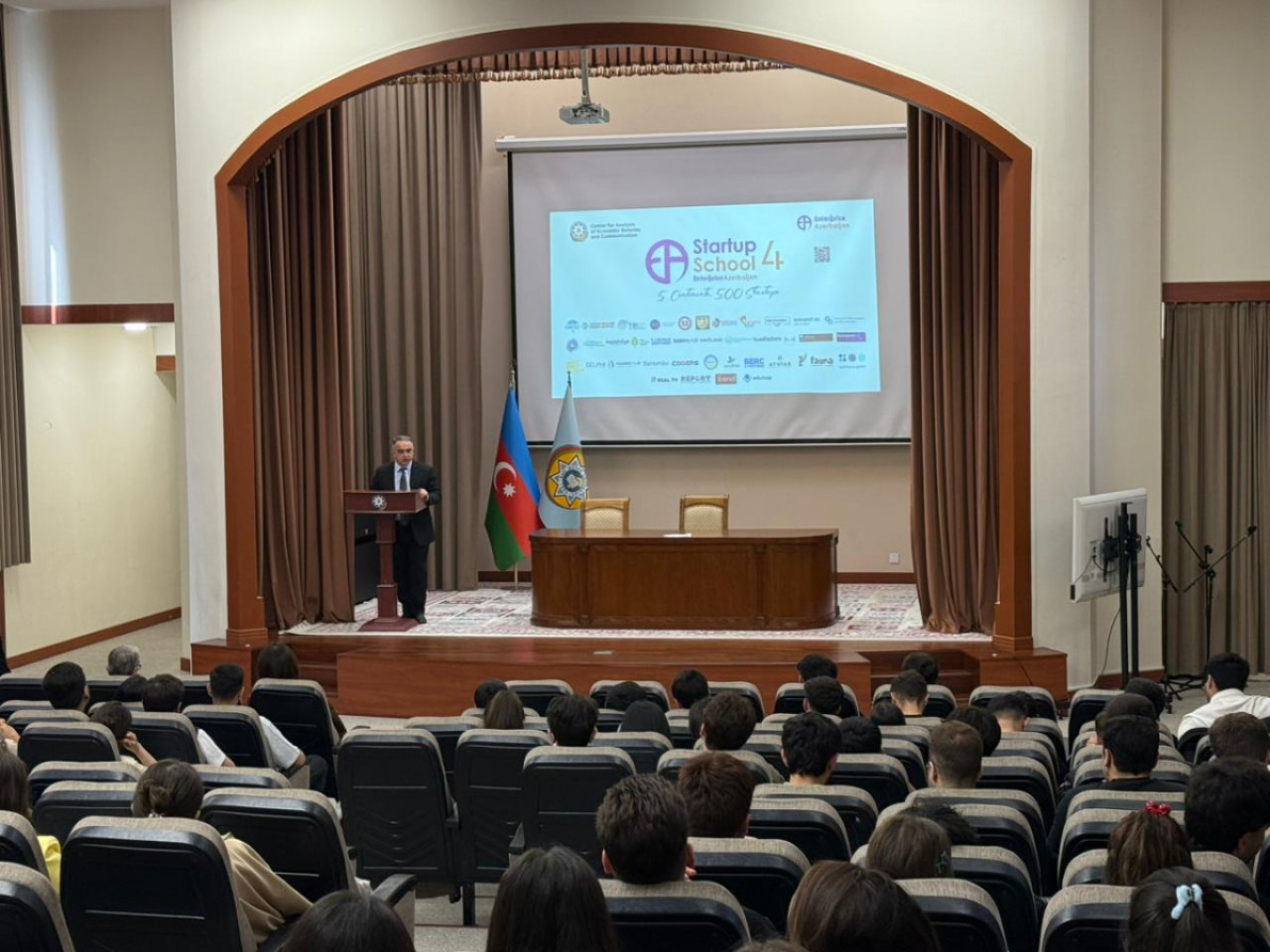
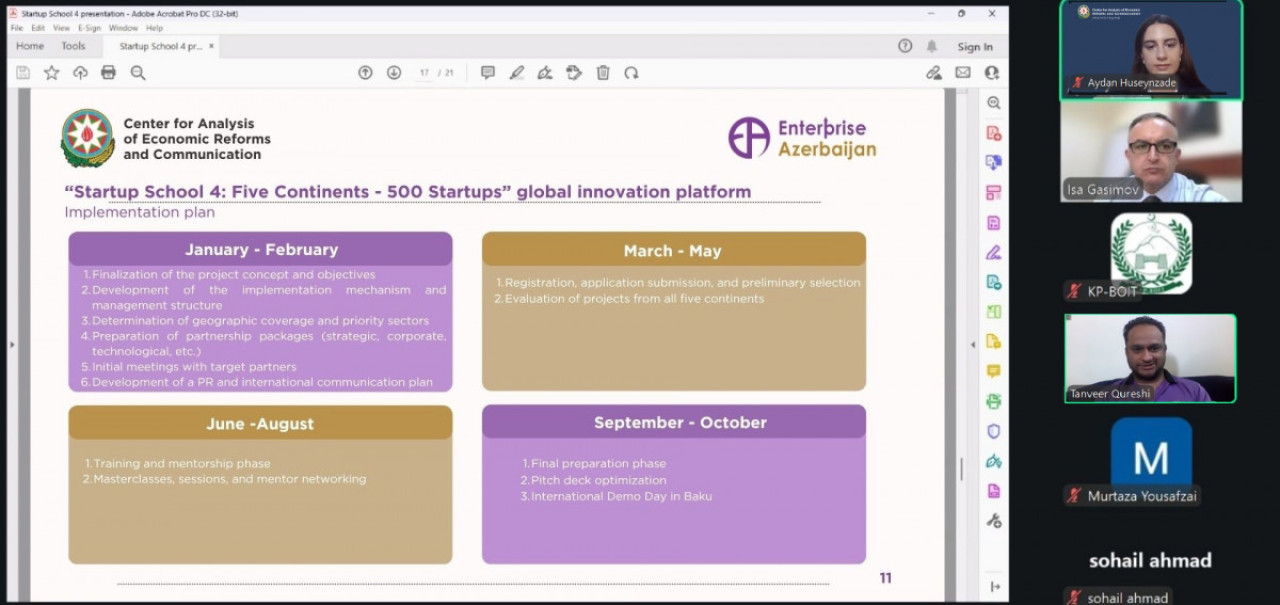
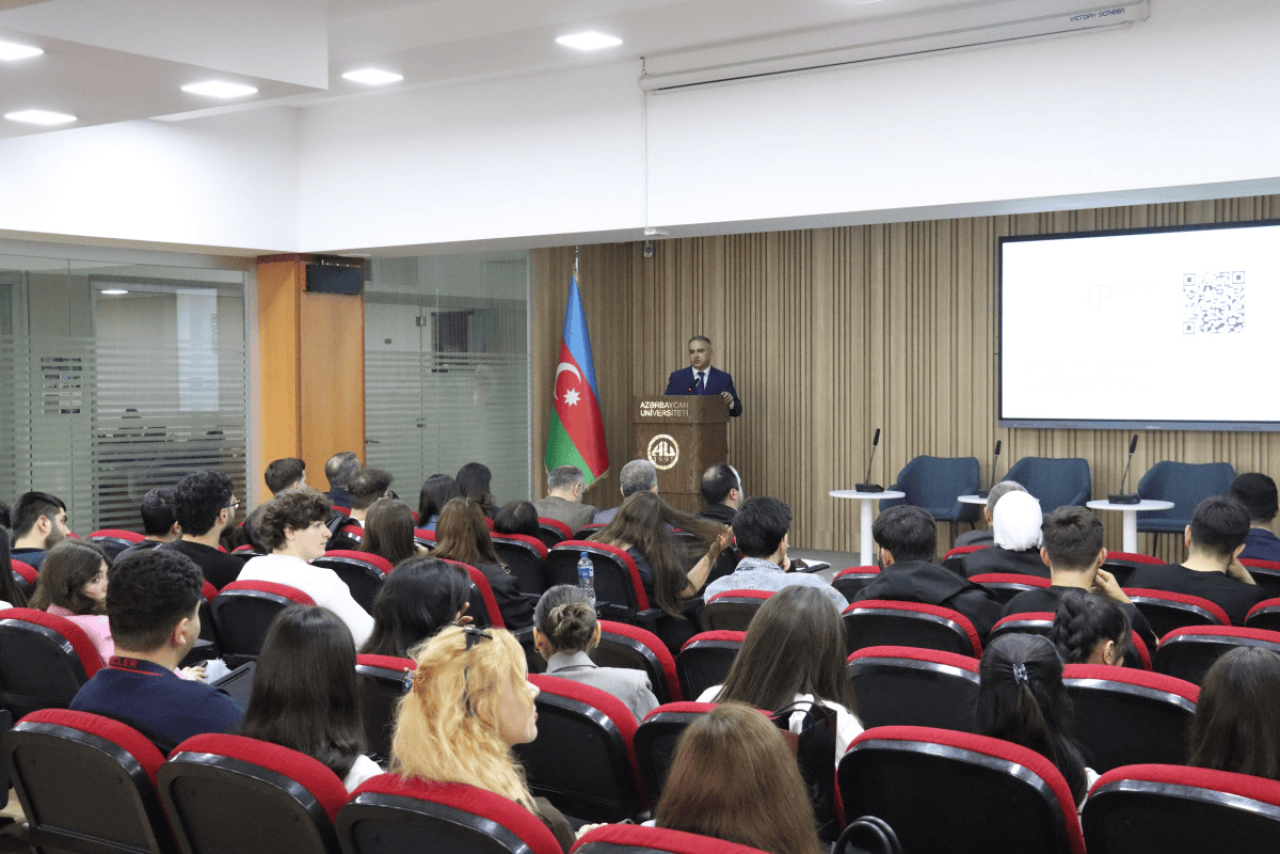
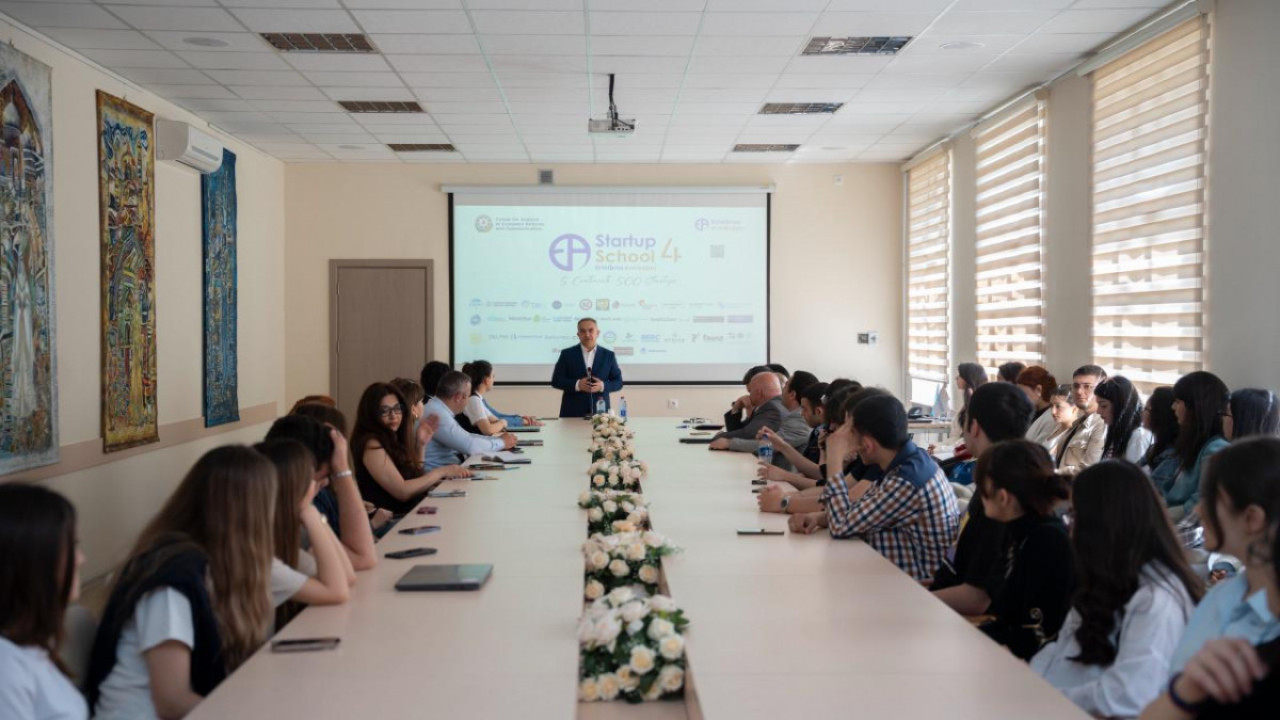
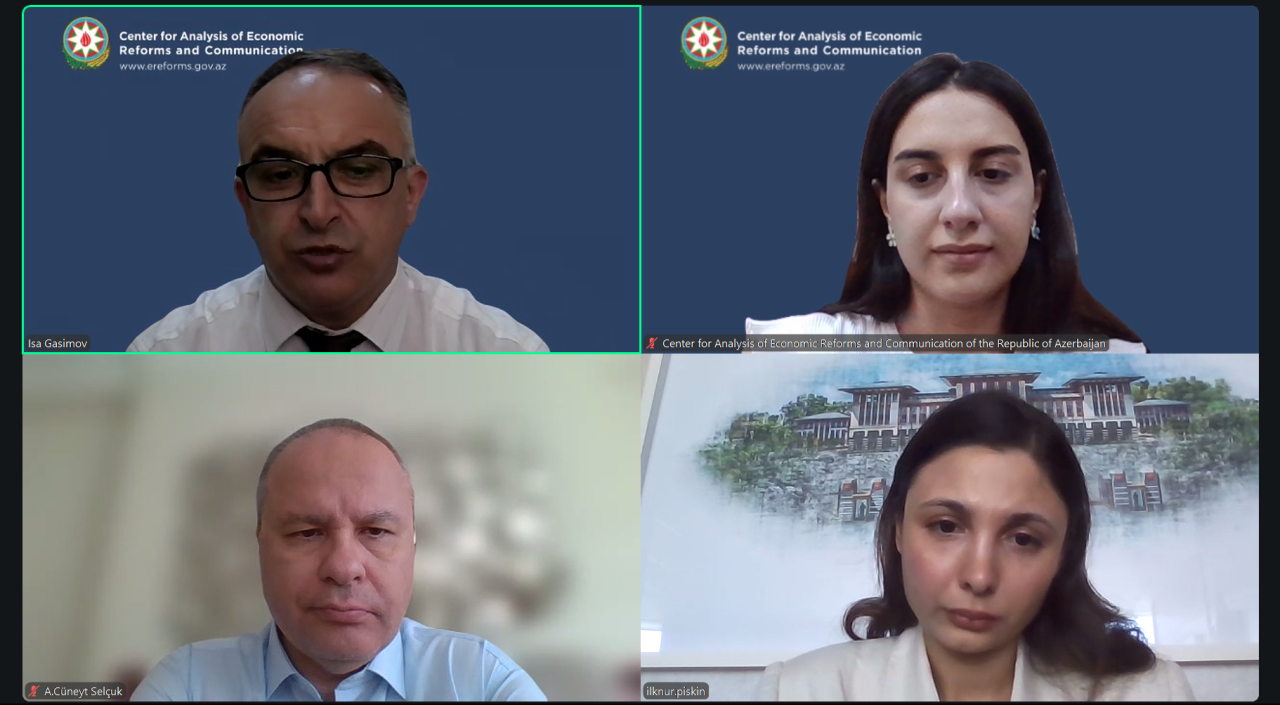
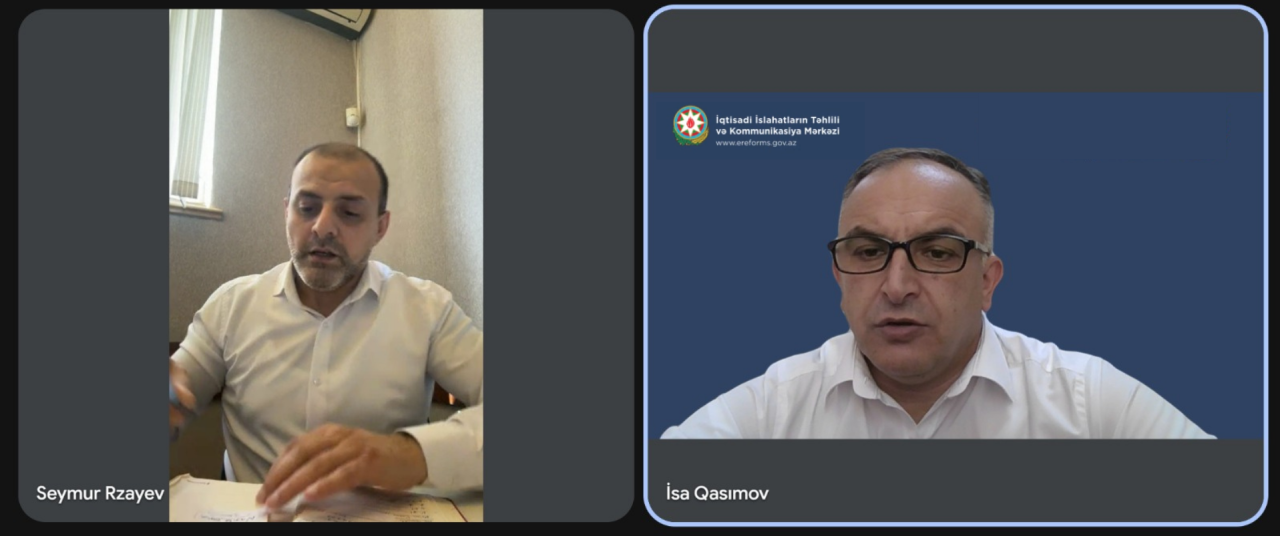
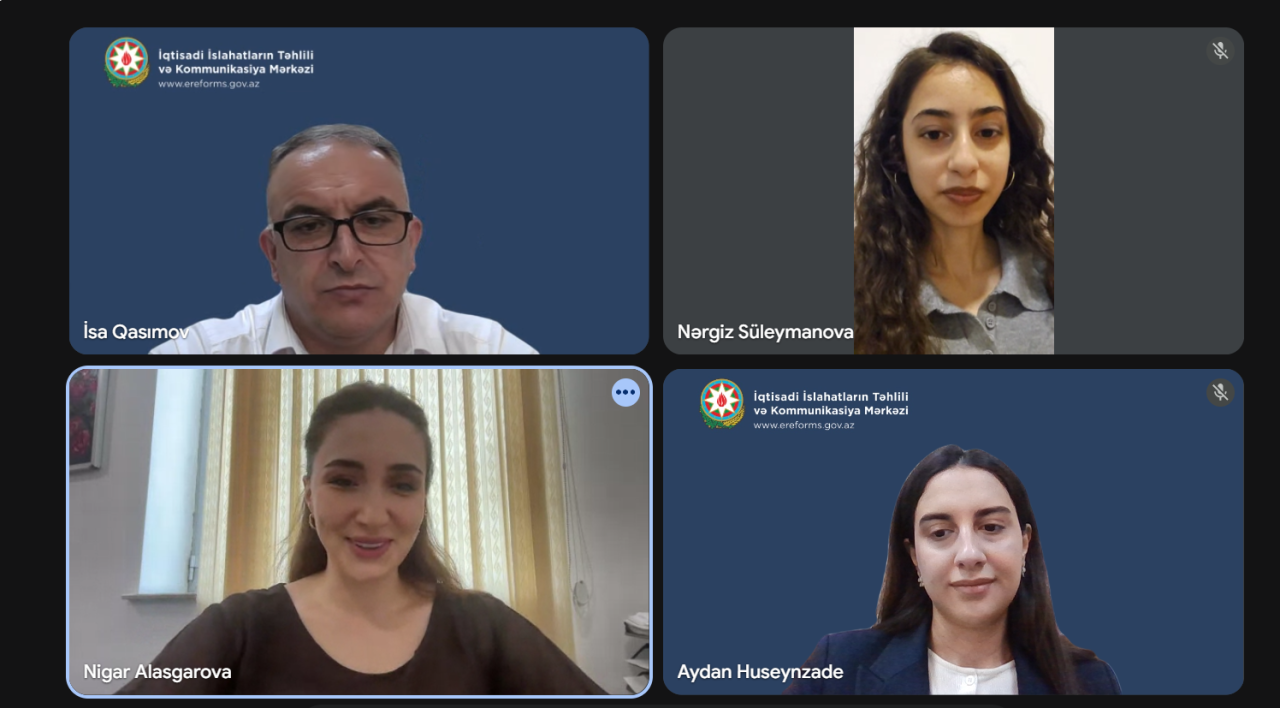
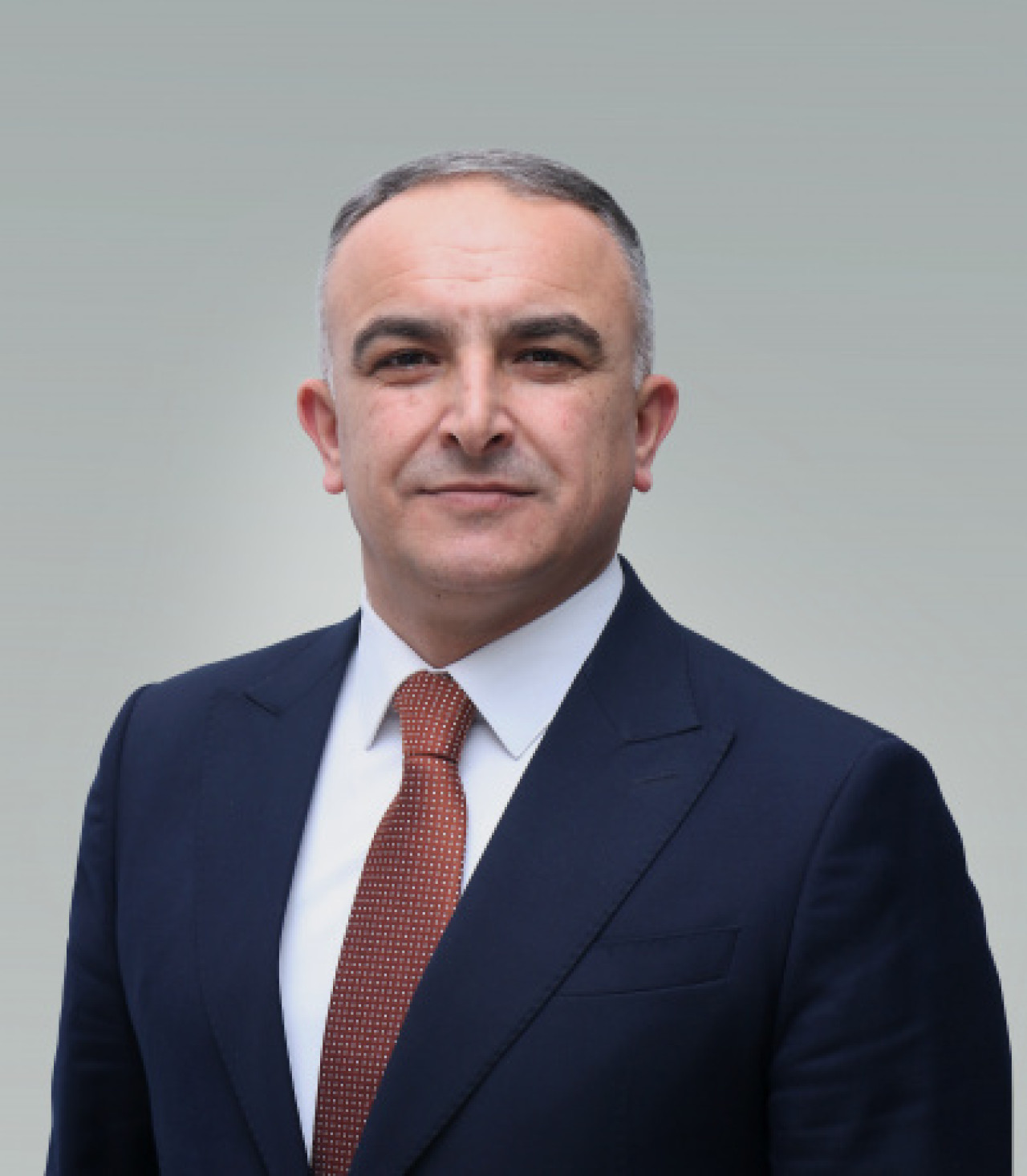
Commenting on the topic, Isa Gasimov, head of the "Enterprise Azerbaijan" portal of the Center for Analysis of Economic Reforms and Communication, said that the effectiveness, timely completion and creation of real economic and social results of state investment projects implemented in the country directly affect the overall investment image of Azerbaijan. The main question for investors is not only "is it possible to enter the country?", but also "in what institutional environment are the projects implemented after entry?". It is for this reason that the management and implementation capacity of investment projects should come to the fore as a strategic issue.
Currently, there is a certain regulatory and institutional framework for planning, financing, implementation and monitoring of investment projects in Azerbaijan. The Public Investment Program, budget mechanisms, procurement and public-private partnership instruments constitute the main elements of this framework. At the same time, experience shows that the main challenges often arise not from regulatory gaps, but from institutional constraints at the management and implementation levels. Issues such as project prioritization, ex-ante risk assessment, results-oriented monitoring and measurement of real impact after project completion still require a systematic approach.
In international practice, investment management is already moving beyond the classic “budget-execution” model and is based on the “Public Investment Management” (PIM) approach. This approach involves considering investment projects not as separate objects, but as part of a single portfolio, ensuring compliance with strategic objectives and assessing results based on measurable indicators. In such systems, along with timely project preparation, its creation of economic and social value is considered the main criterion.
The relevance of this approach for Azerbaijan is especially due to the fact that the country is currently implementing large-scale infrastructure, regional development and social projects. Projects implemented in Karabakh and East Zangezur, expansion of transport and logistics capabilities, energy and green economy initiatives further increase the demand for the quality of investment management. The successful implementation of these projects is of crucial importance not only in terms of the efficient use of state resources, but also in terms of strengthening the confidence of international investors in the country.
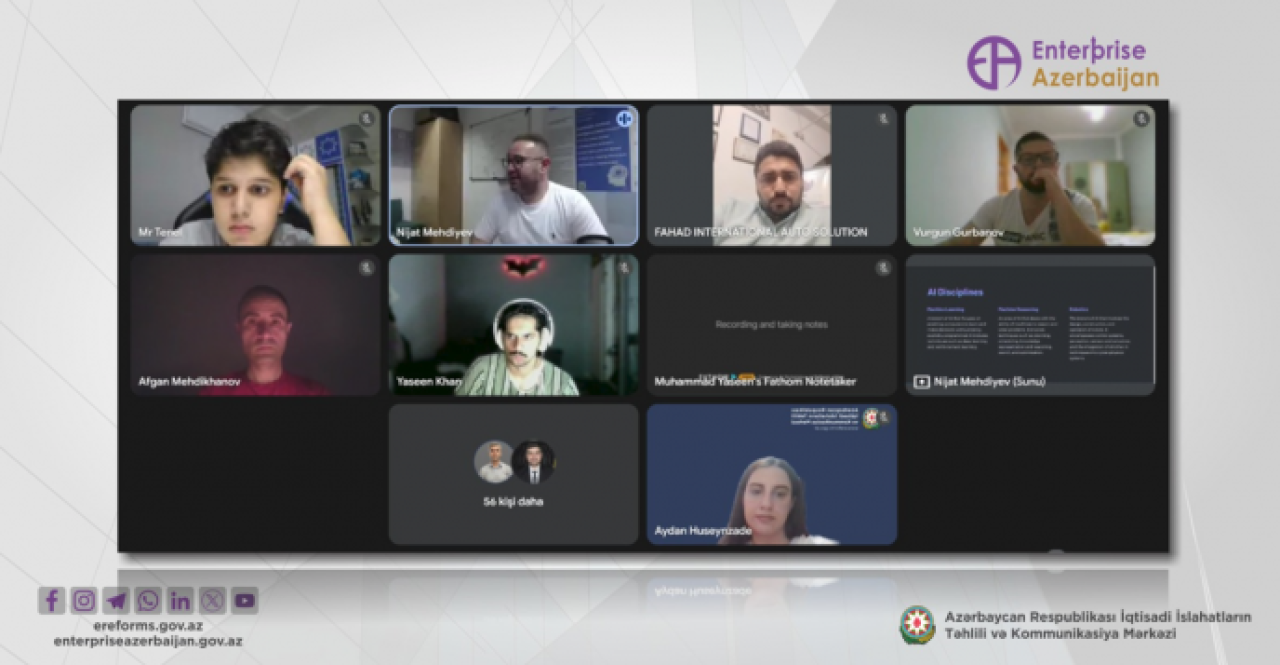
Isa Gasimov emphasized that initiatives aimed at increasing investment attractiveness, including the formation of the “Enterprise Azerbaijan” platform, aim to strengthen the investment ecosystem as a whole. However, investment promotion should not be limited to the presentation of projects and communication with investors. In order for promotion to be sustainable, the quality of management of projects implemented within the country should also be developed in parallel. Effective investment management acts as a natural continuation of strong promotion.
Strengthening institutional capacity at decision-making and executive levels, developing human capital, and applying modern management tools are necessary in the field of investment project management. The application of a risk-based approach during the selection and implementation of projects, the focus of monitoring and evaluation mechanisms on results, and the integration of audit findings into future decision-making are among the main factors that improve the quality of the investment climate.
Consequently, increasing the investment attractiveness of Azerbaijan is closely related not only to the creation of new projects and incentive mechanisms, but also to how existing investments are managed. Investment management and implementation capacity are one of the main indicators of the country's economic reliability, institutional maturity, and long-term development prospects. A wider discussion of this issue at the public and institutional levels can create an important basis for the formation of more targeted programs and initiatives at the next stage.